
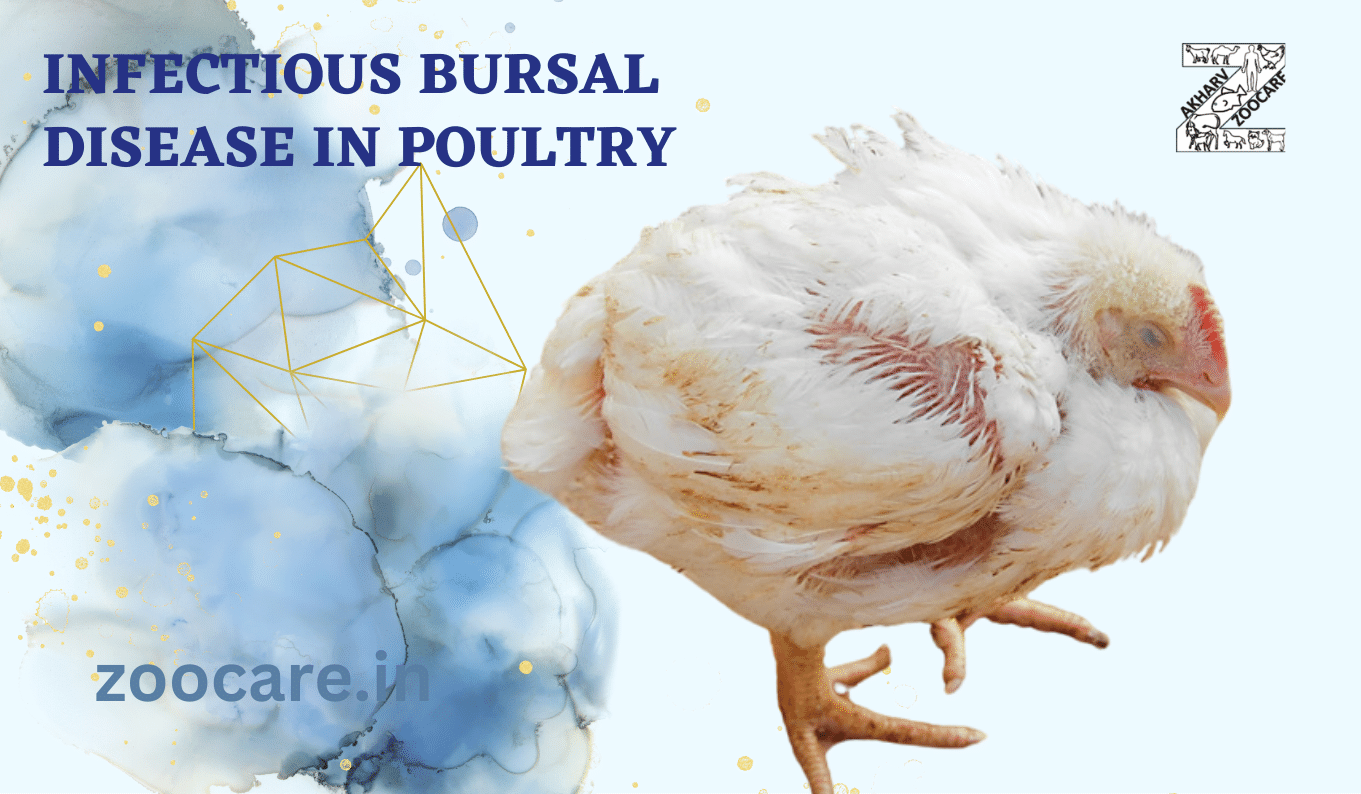
Infectious Bursal Disease (IBD), commonly known as Gumboro Disease, is a highly contagious viral infection that affects poultry birds, particularly chickens. For Indian farmers who rely on poultry farming for their livelihoods, understanding this disease is crucial for maintaining healthy flocks and sustainable business operations. In this blog post, we’ll delve into the basics of IBD, its symptoms, transmission, prevention, and management strategies tailored to the Indian context.
What is Infectious Bursal Disease (Gumboro Disease)?
IBD is caused by the Infectious Bursal Disease Virus (IBDV), which primarily targets the bursa of Fabricius—a vital organ in the immune system of poultry birds responsible for the production of antibodies. When infected with IBDV, the bursa becomes swollen and damaged, leading to immunosuppression and increased susceptibility to other infections.
Symptoms of Infectious Bursal Disease:
- Sudden Death: One of the hallmark signs of IBD is sudden death in young chicks, typically between 3 to 6 weeks of age. This can occur without any prior visible symptoms, making it challenging to detect.
- Depression and Weakness: Infected birds may exhibit lethargy, reluctance to move, and weakness, leading to decreased feed intake and weight loss.
- Diarrhea: Diarrhea with watery or bloody droppings is another common symptom of IBD in poultry flocks.
- Immunosuppression: Birds affected by IBD are more susceptible to secondary infections, such as bacterial or viral diseases.
Transmission of IBD:
The IBD virus is highly contagious and can spread rapidly within a flock through various means:
- Direct Contact: Infected birds shed the virus in their feces, saliva, and respiratory secretions, facilitating direct transmission to susceptible birds.
- Contaminated Environment: The virus can persist in the environment for extended periods, contaminating feed, water, and bedding materials.
- Vertical Transmission: Infected hens can pass the virus to their offspring through the egg, contributing to the spread of IBD within the flock.
Prevention and Management Strategies:
- Vaccination: Vaccination is the cornerstone of IBD prevention in poultry farming. Indian farmers should follow a proper vaccination schedule recommended by veterinarians, ensuring that chicks receive adequate protection against the disease.
- Biosecurity Measures: Implementing strict biosecurity protocols is essential to prevent the introduction and spread of IBD on the farm. This includes limiting access to outsiders, disinfecting equipment, and practicing proper hygiene measures.
- Good Husbandry Practices: Maintaining optimal environmental conditions, providing balanced nutrition, and reducing stressors can help strengthen the immune system of poultry birds, making them more resilient to diseases like IBD.
- Early Detection and Control: Regular monitoring of flock health and prompt identification of symptoms are critical for early intervention and disease control. Farmers should seek veterinary assistance if they suspect IBD or any other health issues in their poultry.
- Quarantine and Sanitation: Isolating sick birds and practicing thorough sanitation protocols can prevent the spread of IBD to healthy individuals within the flock.
Conclusion:
Infectious Bursal Disease (Gumboro Disease) poses significant challenges to poultry farmers in India, but with proper understanding, preventive measures, and management strategies, its impact can be mitigated. By prioritizing vaccination, implementing robust biosecurity measures, and maintaining good husbandry practices, Indian farmers can safeguard their flocks against IBD and ensure the sustainability of their poultry farming operations. Stay vigilant, stay informed, and prioritize the health and welfare of your poultry birds.