Introduction:
Farm animals play a crucial role in the agricultural landscape, contributing to food production and livelihoods. However, like all living organisms, they are susceptible to various diseases that can impact their health and productivity. In this comprehensive guide, we will delve into common diseases affecting different farm animal species—cattle, sheep, goats, dogs, poultry, horses, pigs, and cats. Understanding the causes, symptoms, and prevention strategies for these diseases is essential for farmers and animal caretakers to ensure the well-being of their livestock.
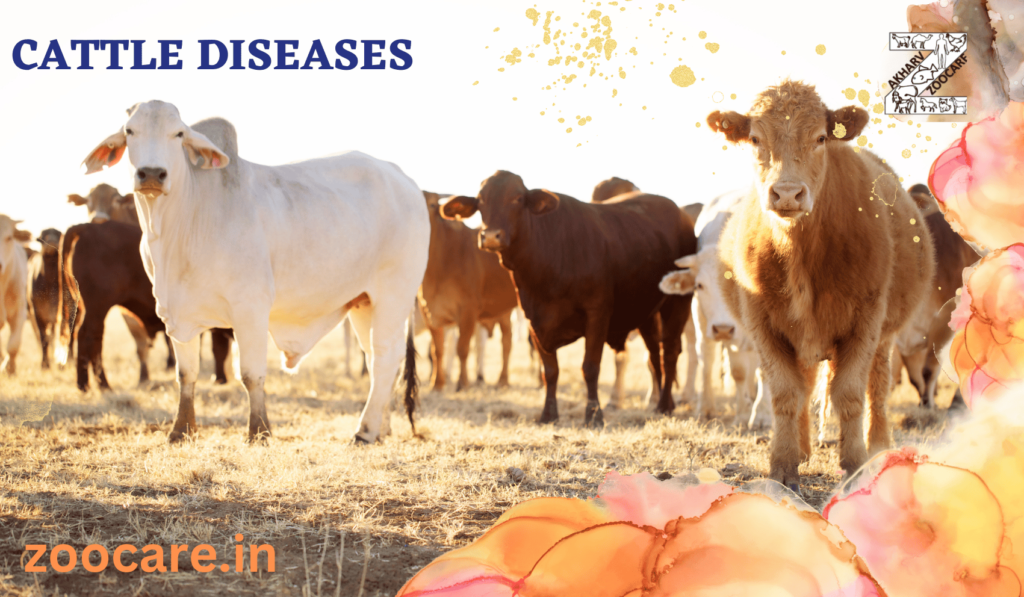
Cattle Diseases:
Foot and Mouth Disease (FMD):
- Causes: Viral infection.
- Symptoms: Fever, drooling, lameness, vesicles on the mouth and feet.
- Prevention: Vaccination, biosecurity measures.
Rinderpest:
- Causes: Viral infection.
- Symptoms: High fever, nasal and ocular discharge.
- Prevention: Vaccination, strict quarantine.
Brucellosis:
- Causes: Bacterial infection.
- Symptoms: Abortions, reduced milk production.
- Prevention: Vaccination, testing, and culling infected animals.
Anthrax:
- Causes: Bacterial infection.
- Symptoms: Sudden death, high fever, bloody discharge.
- Prevention: Vaccination, proper disposal of carcasses.
Black Quarter (Clostridial Infections):
- Causes: Bacterial infection.
- Symptoms: Swelling, lameness, high fever.
- Prevention: Vaccination, good hygiene practices.
Mastitis:
- Causes: Bacterial infection.
- Symptoms: Swelling, heat, and pain in the udder.
- Prevention: Hygienic milking practices, proper nutrition.
Tick-Borne Diseases (Anaplasmosis, Babesiosis, Ehrlichiosis):
- Causes: Parasitic infection.
- Symptoms: Fever, anemia, and other systemic signs.
- Prevention: Tick control measures, vaccination.
Haemorrhagic Septicemia (HS):
- Causes: Bacterial infection.
- Symptoms: High fever, respiratory distress.
- Prevention: Vaccination, good management practices.
Infectious Keratoconjunctivitis (Pinkeye):
- Causes: Bacterial infection.
- Symptoms: Redness, tearing, and ulceration of the eye.
- Prevention: Fly control, vaccination.
Tuberculosis (TB):
- Causes: Bacterial infection.
- Symptoms: Chronic cough, weight loss.
- Prevention: Testing, quarantine, and culling of infected animals.
Here are some other major diseases in cattle:
| Bovine Respiratory Disease (BRD) |
| Johne’s Disease (Paratuberculosis) |
| Bovine Viral Diarrhea (BVD) |
| Infectious Bovine Rhinotracheitis (IBR) |
| Bovine Leukosis (BLV) |
| Theileriosis (East Coast Fever) |
| Neosporosis |
| Enzootic Bovine Leukosis (EBL) |
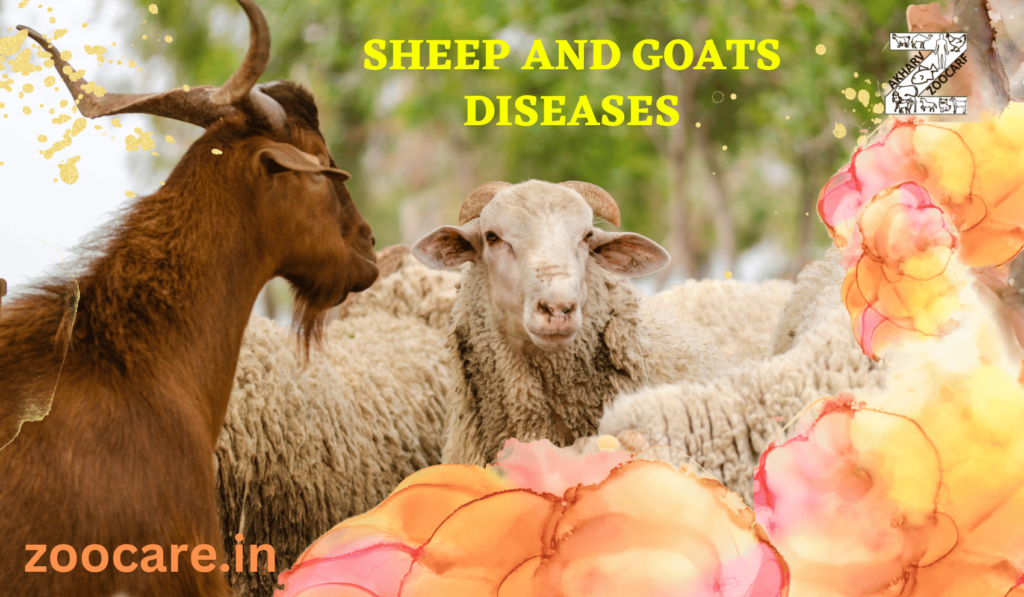
Sheep and Goats Diseases:
- Foot and Mouth Disease (FMD):
- Causes: Viral infection.
- Symptoms: Similar to cattle.
Brucellosis:
- Causes: Bacterial infection.
- Symptoms: Similar to cattle.
Anthrax:
- Causes: Bacterial infection.
- Symptoms: Similar to cattle.
Black Quarter (Clostridial Infections):
- Causes: Bacterial infection.
- Symptoms: Similar to cattle.
Contagious Ecthyma (Orf):
- Causes: Viral infection.
- Symptoms: Pustular lesions on lips, oral mucosa, and udder.
- Prevention: Vaccination, isolation of infected animals.
Enterotoxemia (Overeating Disease):
- Causes: Bacterial infection.
- Symptoms: Sudden death, bloating, neurological signs.
- Prevention: Proper nutrition, vaccination.
Sheep and Goat Pox:
- Causes: Viral infection.
- Symptoms: Fever, respiratory distress, skin lesions.
- Prevention: Vaccination, quarantine.
Gastrointestinal Parasites (Haemonchus, Trichostrongylus, Ostertagia):
- Causes: Parasitic infection.
- Symptoms: Diarrhea, weight loss.
- Prevention: Deworming, rotational grazing.
Coccidiosis:
- Causes: Protozoal infection.
- Symptoms: Diarrhea, weight loss.
- Prevention: Proper sanitation, coccidiostats.
Fascioliasis:
- Causes: Parasitic infection.
- Symptoms: Liver damage, weight loss.
- Prevention: Deworming, avoiding contaminated water sources.
Here are some other major diseases in Sheep and goats:
| Scrapie |
| Caseous Lymphadenitis (CLA) |
| Peste des Petits Ruminants (PPR) |
| Caprine Arthritis Encephalitis (CAE) |
| Border Disease |
| Ovine Progressive Pneumonia (OPP) |
| Maedi-Visna |
| Contagious Agalactia |
Dog Diseases:
Canine Distemper:
- Causes: Viral infection.
- Symptoms: Respiratory and gastrointestinal signs, neurological symptoms.
- Prevention: Vaccination, proper hygiene.
Parvovirus Infection (Canine Parvovirus):
- Causes: Viral infection.
- Symptoms: Severe gastroenteritis, vomiting, diarrhea.
- Prevention: Vaccination, hygiene practices.
Leptospirosis:
- Causes: Bacterial infection.
- Symptoms: Fever, jaundice, reproductive issues.
- Prevention: Vaccination, rodent control.
Scabies (Sarcoptic Mange):
- Causes: Mite infestation.
- Symptoms: Itching, hair loss, skin lesions.
- Prevention: Regular bathing, isolation of infected animals.
Tick-Borne Diseases (Anaplasmosis, Babesiosis, Ehrlichiosis):
- Causes: Parasitic infection.
- Symptoms: Similar to cattle.
- Prevention: Tick control measures, regular inspection.
Infectious Coryza:
- Causes: Bacterial infection.
- Symptoms: Respiratory signs, facial swelling.
- Prevention: Vaccination, and isolation of sick animals.
Mycoplasma Infections:
- Causes: Bacterial infection.
- Symptoms: Respiratory signs.
- Prevention: Good hygiene practices, and proper ventilation.
Here are some other major diseases in Dogs :
| Kennel Cough (Canine Infectious Tracheobronchitis) |
| Canine Influenza |
| Canine Coronavirus |
| Canine Leishmaniasis |
| Canine Brucellosis |
| Canine Babesiosis |
| Canine Lyme Disease (Borreliosis) |
| Canine Hepatitis (Canine Adenovirus) |
Poultry Diseases:
Newcastle Disease:
- Causes: Viral infection.
- Symptoms: Respiratory signs, nervous signs, drop in egg production.
- Prevention: Vaccination, biosecurity measures.
Avian Influenza (Bird Flu):
- Causes: Viral infection.
- Symptoms: Respiratory signs, swelling of head and neck.
- Prevention: Strict biosecurity, and surveillance.
Fowl Pox (Continued):
- Prevention: Vaccination, mosquito control, and maintaining good hygiene in the poultry environment.
Infectious Bursal Disease (Gumboro Disease):
- Causes: Viral infection.
- Symptoms: Immunosuppression, diarrhea, drop in egg production.
- Prevention: Vaccination, biosecurity measures.
Infectious Coryza:
- Causes: Bacterial infection.
- Symptoms: Respiratory signs, facial swelling.
- Prevention: Vaccination, isolation of sick birds, maintaining a clean environment.
Mycoplasma Infections:
- Causes: Bacterial infection.
- Symptoms: Respiratory signs.
- Prevention: Biosecurity, regular health checks, and vaccination.
Salmonellosis:
- Causes: Bacterial infection.
- Symptoms: Diarrhea, fever, and systemic infection.
- Prevention: Hygienic practices, proper waste disposal, and vaccination.
Marek’s Disease:
- Causes: Viral infection.
- Symptoms: Paralysis, weight loss, and tumors.
- Prevention: Vaccination, biosecurity measures.
Bluetongue Disease:
- Causes: Viral infection.
- Symptoms: Fever, lameness, and oral and nasal lesions.
- Prevention: Vector control, vaccination.
Here are some other major diseases in Poultry :
| Infectious Bronchitis (IB) |
| Egg Drop Syndrome (EDS) |
| Marek’s Disease |
| Infectious Laryngotracheitis (ILT) |
| Turkey Rhinotracheitis (Swollen Head Syndrome) |
| Histomoniasis (Blackhead Disease) |
| Infectious Coryza |
| Ornithobacterium rhinotracheale (ORT) |
Horses Diseases:
Equine Infectious Anemia (EIA):
- Causes: Viral infection.
- Symptoms: Fever, anemia, and weight loss.
- Prevention: Testing and culling infected horses, vector control.
Equine Encephalitis (Eastern, Western, Venezuelan):
- Causes: Viral infection.
- Symptoms: Fever, neurological signs, and in severe cases, death.
- Prevention: Vaccination, mosquito control.
Strangles:
- Causes: Bacterial infection.
- Symptoms: Abscesses in the lymph nodes, difficulty swallowing.
- Prevention: Quarantine of affected horses, proper hygiene.
Here are some other major diseases in Horses :
| Equine Herpesvirus (EHV) |
| Equine Influenza |
| Equine Rhinopneumonitis (Equine Herpesvirus Type 1 and Type 4) |
| Equine Protozoal Myeloencephalitis (EPM) |
| Equine Metabolic Syndrome (EMS) |
| Equine Degenerative Myeloencephalopathy (EDM) |
| Equine Colic |
| Equine Cushing’s Disease (PPID) |
Pigs Diseases:
Swine Flu (H1N1 Influenza):
- Causes: Viral infection.
- Symptoms: Respiratory signs, fever, and lethargy.
- Prevention: Biosecurity measures, vaccination, and proper waste management.
Here are some other major diseases in Pigs :
| Porcine Reproductive and Respiratory Syndrome (PRRS) |
| Porcine Epidemic Diarrhea (PED) |
| Porcine Circovirus Associated Disease (PCVAD) |
| Swine Dysentery |
| Atrophic Rhinitis |
| Glasser’s Disease |
| Porcine Respiratory Disease Complex (PRDC) |
| Porcine Cysticercosis |
Cats Diseases:
Feline Panleukopenia (Feline Distemper):
- Causes: Viral infection.
- Symptoms: Fever, vomiting, and diarrhea.
- Prevention: Vaccination, maintaining a clean living environment.
Here are some other major diseases in Cats :
| Feline Immunodeficiency Virus (FIV) |
| Feline Leukemia Virus (FeLV) |
| Feline Infectious Peritonitis (FIP) |
| Feline Herpesvirus (Feline Viral Rhinotracheitis) |
| Feline Calicivirus (FCV) |
| Feline Immunodeficiency (FIP) |
| Feline Lower Urinary Tract Disease (FLUTD) |
| Feline Asthma |
| Feline Hypertrophic Cardiomyopathy (HCM) |
| Feline Hyperthyroidism |
Here are some other major diseases in Camel :
| Disease Name | Description |
|---|---|
| Camel Pox | A viral disease characterized by skin lesions and fever. |
| Camel Respiratory Syndrome | Respiratory illness in camels, similar to pneumonia, often caused by viral or bacterial infections. |
| Middle East Respiratory Syndrome (MERS) | A viral respiratory illness caused by the MERS coronavirus, which can be transmitted from camels to humans. |
| Camel Infectious Dermal Necrosis (CIDN) | A skin disease in camels characterized by necrotic lesions, thought to be caused by a viral infection. |
| Camel Trypanosomiasis (Surra) | A parasitic disease caused by Trypanosoma evansi, transmitted by biting flies, causing fever, anemia, and weakness. |
| Camel Foot Rot | A bacterial infection of the hooves causes lameness and swelling. |
| Camel Leishmaniasis | A parasitic disease caused by Leishmania spp., transmitted by sandflies, causing skin lesions and systemic illness. |
| Camel Dermatophilosis (Rain Scald) | A bacterial infection of the hooves, causes lameness and swelling. |
| Camel Mastitis | A bacterial skin infection causes scabby lesions, often triggered by wet conditions. |
| Camel Colic | Inflammation of the mammary gland in camels, is often caused by bacterial infections. |
Here are some common diseases categorized by the species they primarily affect, presented in tables:
Wild Animals:
| Species | Common Diseases |
|---|---|
| Elephants | Elephant Endotheliotropic Herpesvirus (EEHV), Tuberculosis (TB), Anthrax, Foot and Mouth Disease (FMD) |
| Lions and Tigers | Canine Distemper, Feline Immunodeficiency Virus (FIV), Feline Leukemia Virus (FeLV), Tuberculosis (TB), Feline Panleukopenia |
| Bears | Trichinosis, Parasitic Infections, Salmonellosis, Canine Distemper, Rabies |
| Deer and Antelopes | Chronic Wasting Disease (CWD), Tuberculosis (TB), Bluetongue Disease, Foot and Mouth Disease (FMD), Anthrax |
| Marine Mammals (Seals, Dolphins, Whales) | Phocine Distemper Virus, Toxoplasmosis, Brucellosis, Morbillivirus, Parvovirus Infection |
| Birds (Various Species) | Avian Influenza (Bird Flu), West Nile Virus, Newcastle Disease, Aspergillosis, Botulism |
| Reptiles (Snakes, Lizards, Turtles) | Ranavirus, Snake Fungal Disease, Shell Rot, Respiratory Infections, Parasitic Infections |
| Amphibians (Frogs, Toads, Salamanders) | Chytridiomycosis (Chytrid Fungus), Ranavirus, Red-Leg Syndrome, Amphibian Decline Syndrome |
| Monkeys and Primates | Simian Immunodeficiency Virus (SIV), Tuberculosis (TB), Herpes B Virus, Yellow Fever, Ebola Virus Disease |
Conclusion:
Maintaining the health of farm animals is crucial for the sustainability of agriculture and the well-being of communities relying on livestock. Preventive measures, such as vaccination, proper nutrition, biosecurity, and regular veterinary care, play a key role in managing and controlling the spread of diseases. Farmers and animal caretakers should stay informed about the prevalent diseases in their region, adopt good management practices, and seek professional advice to ensure the overall health and productivity of their livestock.