
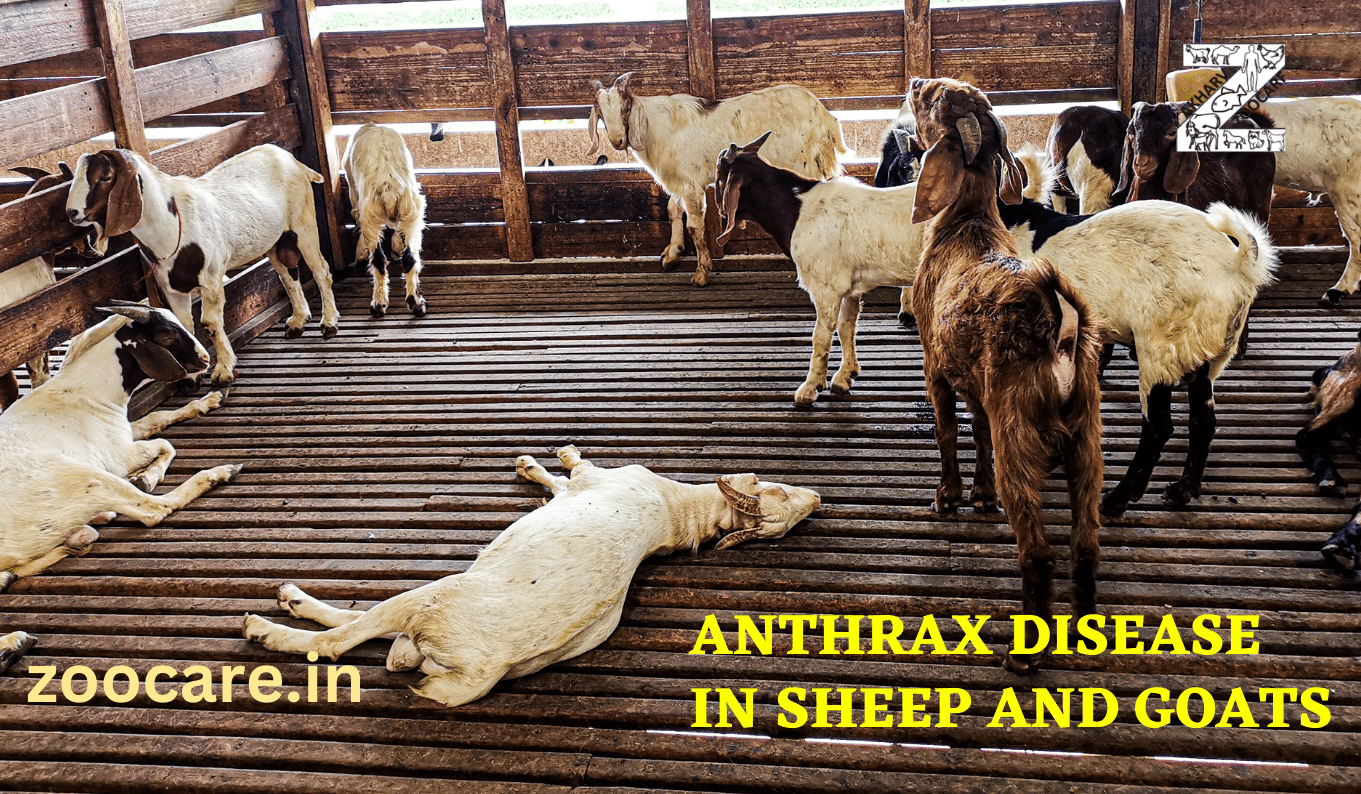
Introduction:
Anthrax, a bacterial disease caused by Bacillus anthracis, can have devastating effects on sheep and goats in India. This highly contagious disease poses a significant threat to livestock populations, affecting both the animals’ health and the livelihoods of farmers. In this comprehensive guide, we will explore the causes, symptoms, prevention, and treatment of anthrax, tailored specifically for the Indian audience.
Causes and Transmission:
Anthrax spores, which can persist in the soil for years, are the primary cause of the disease. Livestock become infected through the ingestion of contaminated soil, water, or feed. In India, where livestock often graze freely, the risk of exposure to anthrax is higher. Poor sanitation practices and the lack of proper waste disposal can contribute to the transmission of the disease.
Symptoms:
Identifying anthrax in sheep and goats is crucial for prompt intervention. Common symptoms include high fever, difficulty breathing, swelling, and the presence of dark, bloody discharge. Infected animals may also exhibit sudden lameness and a reluctance to move. Farmers should be vigilant and seek veterinary assistance if these signs are observed.
Prevention:
Preventing anthrax in sheep and goats involves implementing good hygiene practices and vaccination. Farmers should maintain clean living conditions, properly dispose of carcasses, and avoid allowing animals to graze in known anthrax-prone areas. Vaccination, available through local veterinary services, is a cost-effective measure to protect livestock against the disease.
Vaccination Schedule:
Farmers are advised to work closely with veterinary professionals to establish an appropriate vaccination schedule for their flocks. Vaccination typically involves an initial series of shots followed by booster doses to ensure continued immunity. Early vaccination is essential for building resistance against anthrax.
Treatment:
Timely treatment is crucial for animals infected with anthrax. Veterinarians may prescribe antibiotics, and affected livestock should be isolated to prevent the spread of the disease. However, treatment success depends on early detection, making regular health checks and rapid intervention critical.
Government Initiatives:
Indian farmers can also benefit from government-led initiatives aimed at preventing and controlling anthrax. These may include subsidized vaccination programs, awareness campaigns, and educational resources to empower farmers with knowledge on disease management.
Conclusion:
Anthrax poses a significant threat to sheep and goats in India, impacting the agricultural sector and rural communities. By adopting preventive measures, staying vigilant for symptoms, and working closely with veterinary professionals, farmers can protect their livestock from this deadly disease. Government support, coupled with community awareness, is essential to create a resilient and anthrax-free environment for Indian sheep and goat farming.