
Introduction:
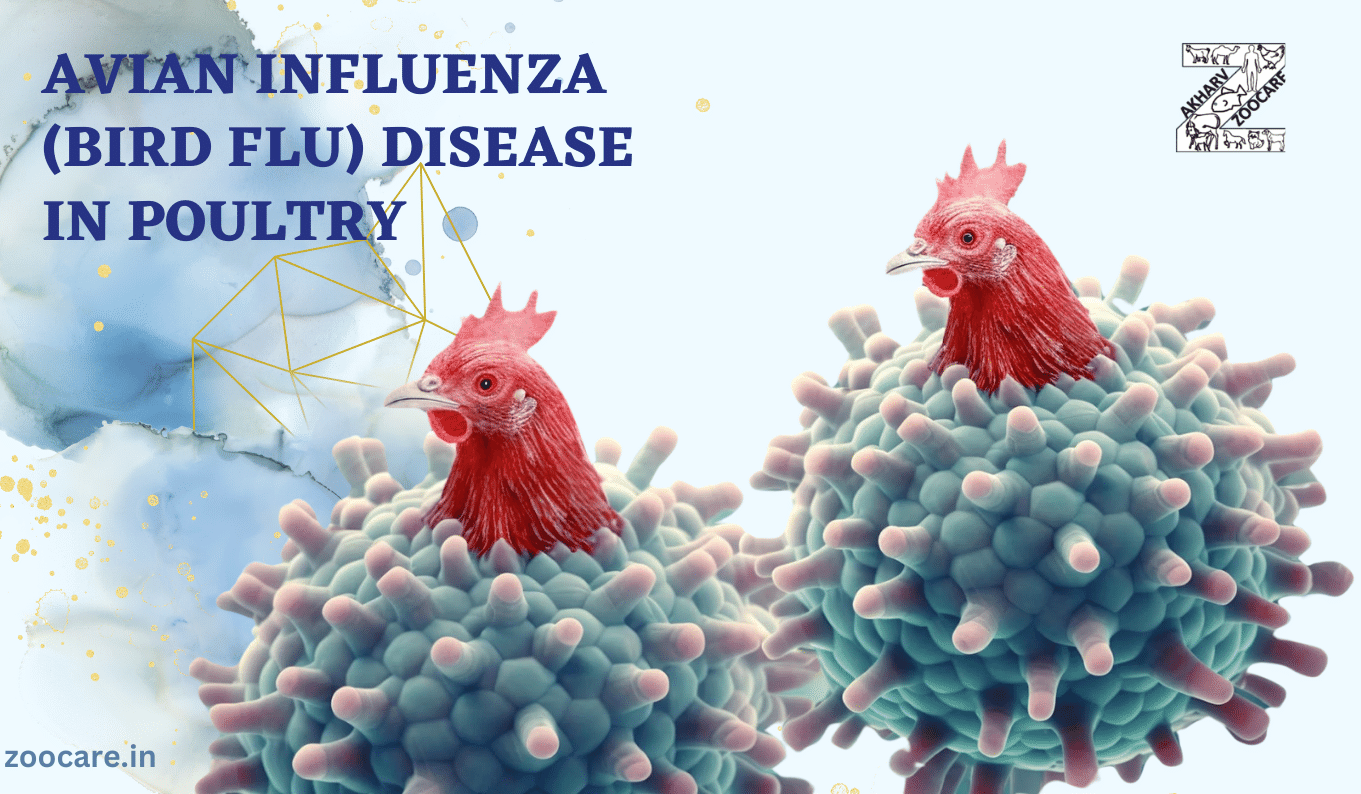
Avian Influenza, commonly known as Bird Flu, has been a topic of concern in recent times, especially among poultry farmers and consumers in India. This viral infection not only poses a threat to the health of poultry birds but also raises apprehensions about its potential transmission to humans. In this comprehensive guide, we delve into the nuances of Avian Influenza, its causes, symptoms, prevention, and its implications for the Indian poultry industry.
What is Avian Influenza (Bird Flu)?
Avian Influenza is a highly contagious viral infection that primarily affects birds, including domestic poultry such as chickens, ducks, and turkeys, as well as wild birds. The virus exists in various strains, some of which can cause mild illness, while others can result in severe disease and high mortality rates among infected birds.
Causes and Transmission:
Avian Influenza is caused by influenza type A viruses, which can be further categorized based on the specific proteins found on the surface of the virus. These viruses are primarily spread through contact with infected birds or their droppings, saliva, and respiratory secretions. Additionally, the virus can be transmitted through contaminated equipment, feed, water, and even through wild birds migrating from infected areas.
Symptoms in Poultry Birds:
Identifying Avian Influenza in poultry birds is crucial for timely intervention and containment. Some common symptoms include:
- Sudden increase in mortality rates within the flock
- Respiratory signs such as coughing, sneezing, and nasal discharge
- Swelling of the head, eyelids, comb, and wattles
- Decreased egg production or quality
- Nervous system signs such as tremors, paralysis, or twisting of the head and neck
Prevention and Control Measures:
Preventing the spread of Avian Influenza requires a multi-faceted approach involving strict biosecurity measures, surveillance, and vaccination. Some key preventive measures include:
- Implementing strict biosecurity protocols on poultry farms to limit contact with wild birds and other potential sources of infection.
- Regularly disinfecting premises, equipment, and vehicles to reduce the risk of viral contamination.
- Monitoring bird health and implementing early detection measures to promptly isolate and treat infected birds.
- Restricting movement of poultry and poultry products from affected areas to prevent the spread of the virus.
- Vaccinating poultry birds with approved vaccines to provide immunity against specific strains of Avian Influenza.
Implications for the Indian Poultry Industry:
Avian Influenza outbreaks can have significant economic repercussions for the Indian poultry industry, affecting production, trade, and consumer confidence. The occurrence of Bird Flu may lead to culling of infected birds, loss of revenue for poultry farmers, and restrictions on the movement and sale of poultry products. Moreover, consumer concerns about food safety may impact poultry consumption patterns, leading to a decline in demand for poultry products.
Conclusion:
Avian Influenza remains a persistent threat to the health and economic well-being of the Indian poultry industry. By implementing robust biosecurity measures, conducting regular surveillance, and promoting awareness among stakeholders, we can mitigate the risk of Avian Influenza outbreaks and safeguard both animal and human health. It is imperative for poultry farmers, government agencies, and the public to work together to combat this infectious disease and ensure a sustainable future for the poultry industry in India.