
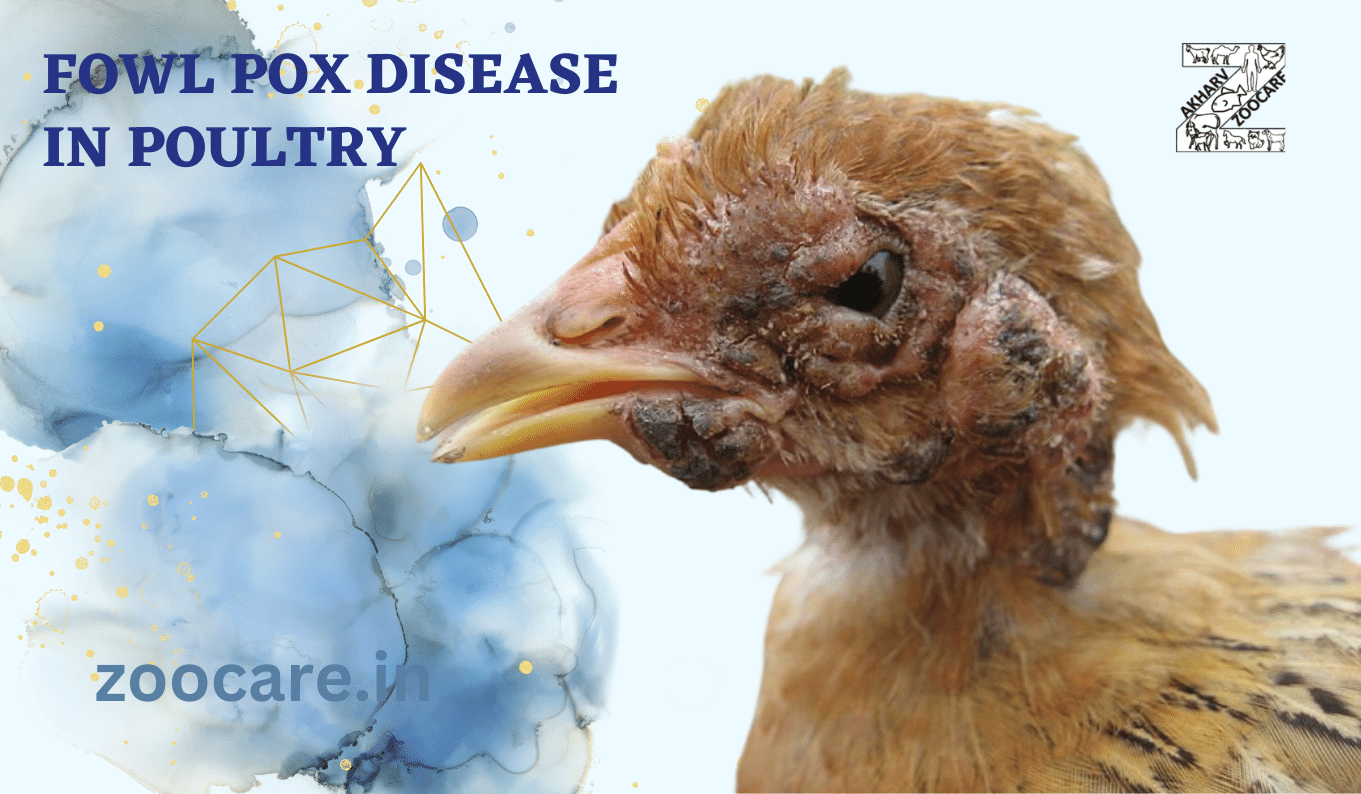
Introduction:
Dear Indian farmers and readers, in the realm of poultry farming, there’s a silent but significant threat that often goes unnoticed until it wreaks havoc on our flocks – Fowl Pox. This viral disease can be detrimental to poultry health and production if not addressed promptly. In this blog post, we’ll delve into the depths of Fowl Pox, understanding its causes, symptoms, prevention, and treatment, tailored specifically to our Indian farming community.
What is Fowl Pox?
Fowl Pox, also known as Avian Pox, is a highly contagious viral disease that affects poultry birds worldwide. It predominantly affects chickens and turkeys but can also infect other domestic and wild birds. The disease is caused by a virus belonging to the Poxviridae family, primarily transmitted through direct contact with infected birds or through vectors like mosquitoes.
Symptoms of Fowl Pox:
Identifying Fowl Pox early is crucial for effective management. Here are some common symptoms to watch out for:
- Cutaneous Form: This form is characterized by the appearance of raised, wart-like lesions on the skin, comb, wattles, and around the eyes. These lesions may be yellowish, gray, or white in color and can cause discomfort to the affected birds.
- Diphtheritic Form: In this form, lesions develop in the mouth, throat, and upper respiratory tract, leading to difficulty in eating, drinking, and breathing. Birds may exhibit signs of respiratory distress, including gasping and coughing.
- Ocular Form: Lesions appear on the eyelids, conjunctiva, and cornea, causing swelling, redness, and sometimes blindness.
- Wet Form: This severe manifestation involves lesions in the mucous membranes of the respiratory and digestive tracts, leading to difficulty in breathing, swallowing, and severe weight loss.
Prevention of Fowl Pox:
Prevention is always better than cure, especially when it comes to Fowl Pox. Here are some preventive measures you can take:
- Biosecurity: Implement strict biosecurity measures on your farm to prevent the entry and spread of the virus. This includes controlling access to the farm, disinfecting equipment, and minimizing contact with wild birds.
- Vaccination: Vaccination is an effective tool in controlling Fowl Pox. Consult with your veterinarian to develop a vaccination schedule suitable for your flock.
- Mosquito Control: Since mosquitoes can act as vectors for the virus, implementing mosquito control measures such as using mosquito nets, repellents, and eliminating breeding sites can help reduce the risk of transmission.
- Quarantine: Quarantine new birds before introducing them to your existing flock to prevent the introduction of the virus.
Treatment of Fowl Pox:
Unfortunately, there is no specific treatment for Fowl Pox. However, supportive care can help affected birds recover more quickly. Here are some measures you can take:
- Isolation: Immediately isolate birds showing symptoms of Fowl Pox to prevent the spread of the disease to healthy birds.
- Symptomatic Treatment: Provide supportive care such as clean water, nutritious feed, and a stress-free environment to help affected birds combat the disease.
- Wound Management: Keep lesions clean and apply antiseptic ointments to prevent secondary bacterial infections.
- Veterinary Consultation: Seek advice from a poultry veterinarian for guidance on managing Fowl Pox outbreaks and minimizing their impact on your flock.
Conclusion:
Dear Indian farmers and readers, Fowl Pox is a formidable adversary in the poultry farming industry, but with vigilance, proactive measures, and proper management, we can mitigate its impact on our flocks. By prioritizing biosecurity, vaccination, and prompt treatment, we can safeguard the health and well-being of our poultry birds, ensuring a thriving poultry farming community for generations to come. Stay informed, stay proactive, and together, we can conquer Fowl Pox.